Events

Invitation to Tender

Date:
Host:

Cost:

Available to:

We are looking to develop a Leadership and Management Development Programme for Student Services professionals working in the post-16 further education and training sector in the UK.

More information about this exciting opportunity to scope and shape this programme can be found in our tender document

Closing date for submissions: 16:00, 12 September 2025.

Join us/Log in to book

Working with NAMSS 25/26

Date:
Host:

Cost:

Available to:

We are delighted to announce the release of our ‘Working with NAMSS 25/26‘ document which details the opportunities there are for you to reach our 600 members working in around 220 organisations across the UK.

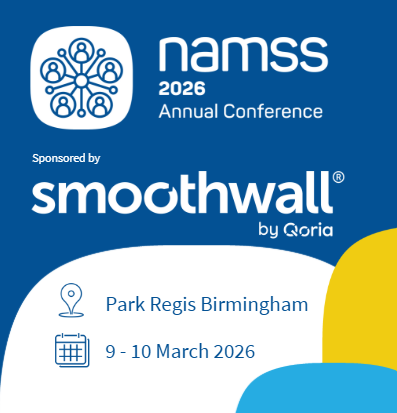
The document provides information on exhibitor and sponsorship packages for both our fantastic 2-day annual conference, which next takes place on Monday 9 and Tuesday 10 March 2026 at the Park Regis Hotel in Birmingham, and our very popular 1-day events which will focus on Student Engagement (January) and Student Finance (June).

If you provide goods or services which help our members to support their students at any stage of their FE journey, we would encourage you to consider expressing an interest in joining us in our annual conference Market Place or taking advantage of one of our great value-for-money sponsorship opportunities including our Gala Dinner Package for £2,250, NAMSS Student Services Awards at just £500 per Award or, sponsor our gift bag for just £1,800.  Most of our packages include an exhibitor stand too!

If attending events isn’t practical we are happy to work with you to host one of our 1-hour NAMSS Online sessions or write an article for our termly newsletter, NAMSS News.

Join us/Log in to book

Guest Panelist at the Destination Conference

Date:
Host:

Cost:

Available to:

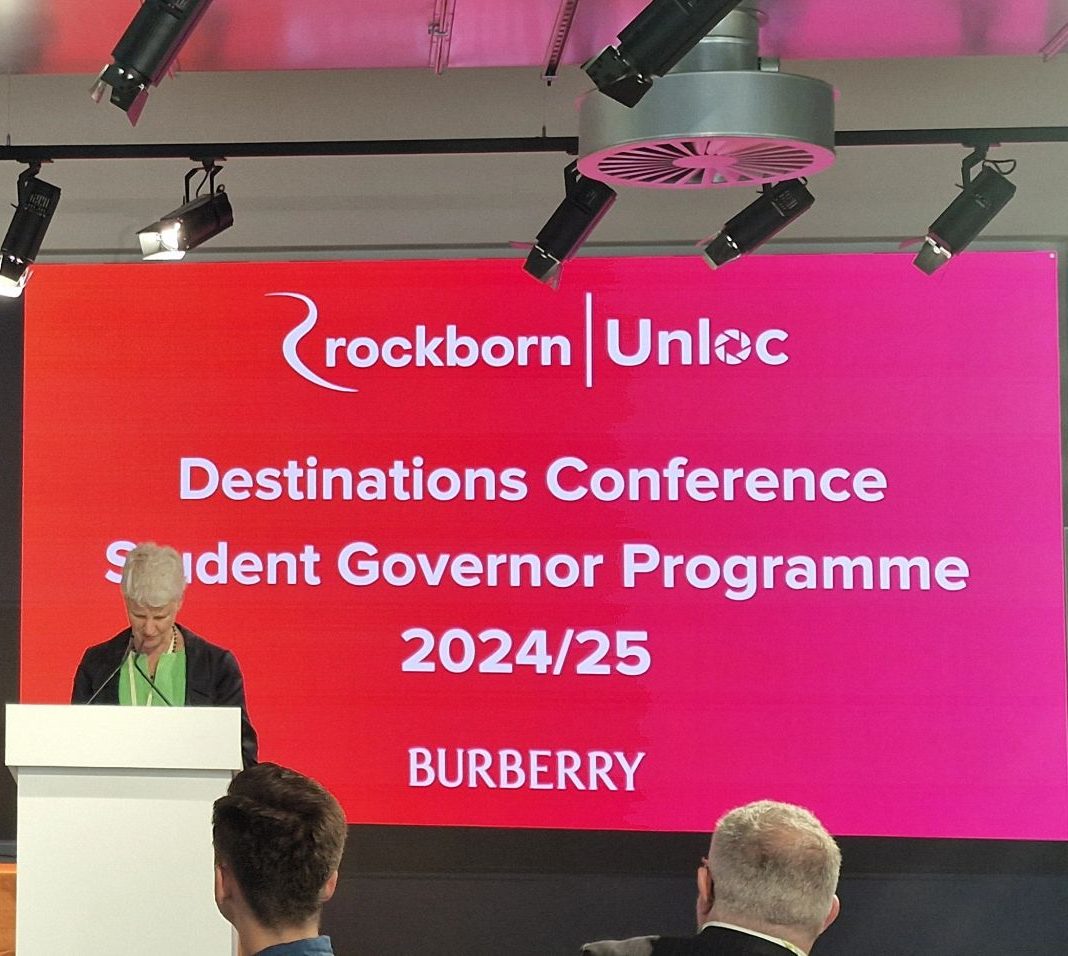
As chair of the National Association for Managers of Student Services, I get to do some awesome things but nothing is more enjoyable than spending time with student leaders and today I have had the incredible privilege of attending Unloc & Reborn’s Destination Conference as part of the student governor programme at Burberry HQ in London.

A day spent celebrating the power of student voice with some incredible young leaders who have made a difference in their colleges and are now focused on their next steps.

Today was even more special for me as one of the speakers, and my fellow panelist, was Shelagh Legrave CBE DL who has been a huge part of my journey from student president to Associate Principal and has always passionately advocated for student voice.

Student voice is not just a tick box it is a fundamental part of every college and drives development, innovation and quality as well as creating our leaders of tomorrow!

Lisa

Join us/Log in to book

Curriculum & Assessment Review

Date:
Host:

Cost:

Available to:

We were delighted to have be asked to participate in a round table on Non- qualification elements of post 16 education as part of the Governments’ Curriculum and Assessment review.

Our Chair, Lisa Humphries, along with colleagues from then NAMSS Executive and NAMSS members had the opportunity to meet with the Chair of the Review, Professor Becky Francis CBE and other key members of the panel to share examples of best practice, barriers to delivery now and, our hopes and wants for the future to ensure that every student gets access to high quality personal development.

It was a fantastic discussion and we believe we were able to highlight the importance of this element of college life and the huge impact it has.

We now wait with anticipation to see what is included in the final report in the Autumn term.

Read more about Review here.

Join us/Log in to book

Finance Conference huge success

Date:
Host:

Cost:

Available to:

We were delighted with the success of our first-ever 1-day conference focused on the often-challenging subject of Student Finance.

Held at the Novotel in Birmingham, the event attracted over 100 delegates who, being Finance people, all arrived bang on time!

The day started with a keynote from Andrew Thomas, Director of Funding and Financial Oversight at Operations and Infrastructure Group in the Department for Education.  This was followed by our own Executive Board member, Sharon Cousins, talking everyone through the key changes from this years Bursary Guidance.  Delegates then had the rare opportunity to ask DfE colleagues questions on the Guidance.

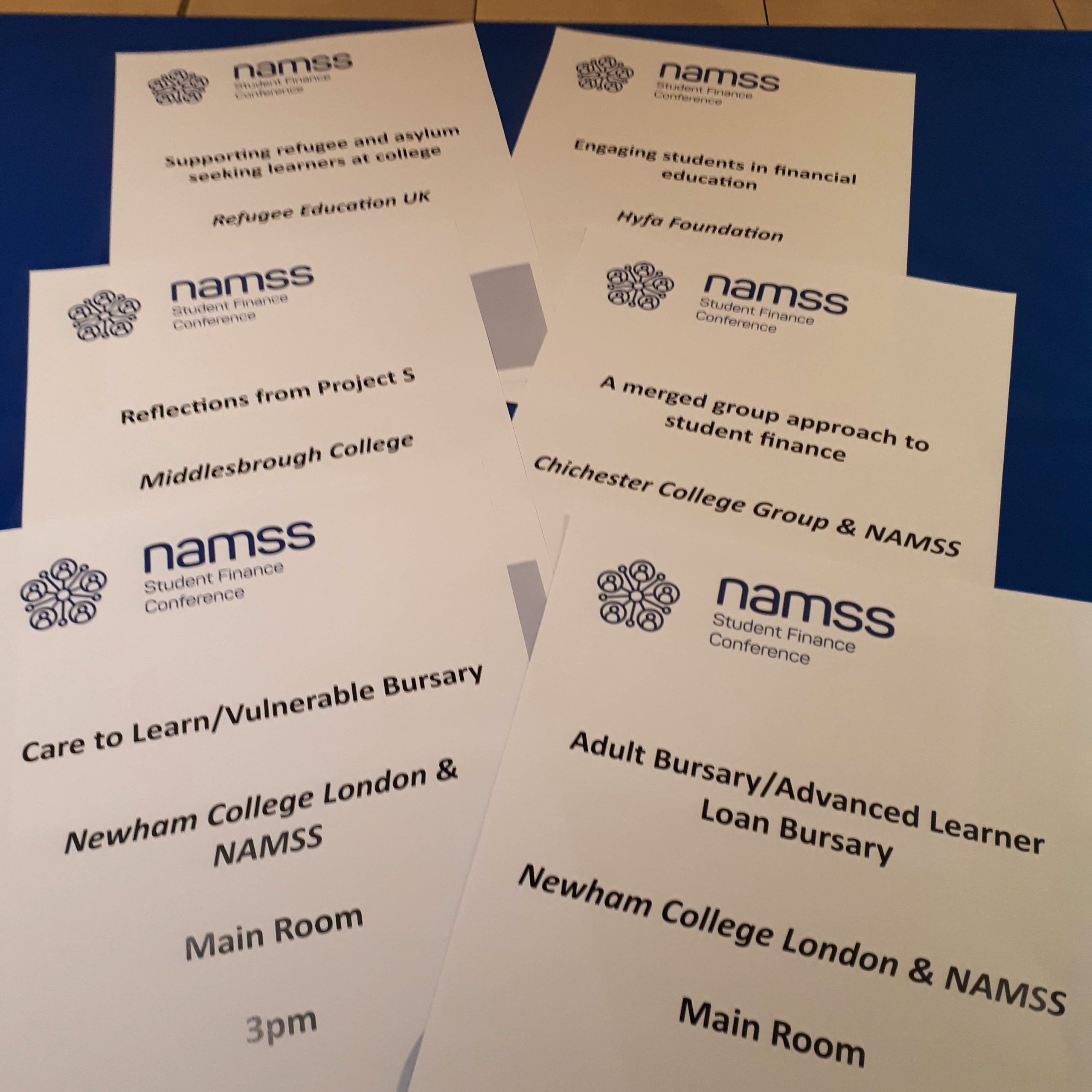
After a refreshment break and a chance for everyone to chat to others working in the same field across the country, delegates attended 3 workshops (with 9 to choose from) on subjects ranging from ‘Engaging students in financial education’, hosted by the Hyfa Foundation to ‘Bursary & Free Meals in FE audit process and common findings’ again hosted by the DfE.

Feedback from the event has been great* and proves that the work we are doing in this area is clearly needed and well received.

We are already talking about a possible 2026 event so watch this space for more information!

*100% of those who responded to our conference feedback survey would recommend a NAMSS conference to others.


Join us/Log in to book

**New** Student Engagement Practitioner Network

Date:
Host:

Cost:

Available to:

Following a fantastic response to our Student Engagement Conferences over the past 3 years and many requests to establish a new dedicated network within NAMSS, we are absolutely delighted to be launching a brand new membership package which is specifically for colleagues working within Student Engagement/Voice

The Student Engagement Practitioner Network (SEPN) is open to any existing NAMSS organisation and, members of the SEPN will benefit from:

§  Individual login to a NAMSS Account

§  Membership of a dedicated chat forum to ask questions, seek clarification, collaborate on resources, share ideas and support each other

§  Access to NAMSS Knowledge – our online resource library

§  Discount on tickets at all NAMSS in-person events

§  Free access to all NAMSS online events including termly Professional Network sessions focused on Student Engagement

§  Free access to a termly online session specifically and exclusively run for SEPN members

§  Termly editions of our newsletter, NAMSS News

This exciting package costs just £125 per person (we don’t charge VAT).

Visit our membership page to find out more and join!


Join us/Log in to book

Andrew Thomas, DfE, to keynote Student Finance Conference

Date:
Host:

Cost:

Available to:

We are delighted that Andrew Thomas, Funding and Financial Oversight, Operations and Infrastructure Group at the Department for Education will be the Keynote at our Student Finance Conference in June.  Andrew and colleagues will also form part of our Q&A Panel which will give delegates a great opportunity to ask questions.

The 1-day conference will provide delegates with information on the newly released 25/26 Bursary Guidance along with 9 workshops hosted by sector experts including Hyfa and Refugee Education UK.  We will also have a youth led session from Unloc and insights from 2 member colleges – Middlesbrough College on Project S and Chichester College Group talking about their approach to student finance.

Tickets start from just £75.

Find out more about this event.

Join us/Log in to book

EDI Conference Cancelled

Date:
Host:

Cost:

Available to:

We have made the difficult decision to cancel the EDI Conference due to low ticket sales.  We are working with members, speakers and hosts to look at alternative events at a later date.


Tickets are now on sale for our first Equality, Diversity &  Inclusion Conference on Wednesday 21 May at the Novotel in Birmingham.

Aimed at Student Services, HR and EDI Teams this in-person event includes 2 keynotes, 9 workshops and time to network.  Tickets start from just £75!

Workshop topics include the Public Sector Equality Duty, the Equality Act and moving beyond compliance, along with important strands of working including anti-racism, gender identity, equality impact assessments, inclusive recruitment, neurodiversity and also a session hosted by the AoC on their EDI Charter and Equity Exchange.

A huge thanks to the National Centre for Diversity, who are the headline sponsor for this event.

🎟️ Find out more and book here


Join us/Log in to book

Leadership and Management of Safeguarding in Further Education: Current Pressures and Innovative Practices

Date:
Host:

Cost:

Available to:

Introduction

Designated Safeguarding Leads (DSLs) in further education institutions shoulder immense responsibility in an era marked by rapid societal change and increasing student vulnerabilities. Tasked with ensuring the safety and wellbeing of learners, these leaders must navigate a labyrinth of challenges, ranging from policy implementation to resource constraints, while also addressing the complex personal and societal issues impacting students. Leadership and management of safeguarding within further education involve examining the pressing concerns confronting DSLs and analysing innovative practices that are redefining safeguarding approaches. Emphasising the necessity for systemic change, safeguarding leaders play a critical role in fostering safe, supportive, and inclusive educational environments.

Leadership and Management of Safeguarding

Leadership in safeguarding encompasses a multifaceted and evolving set of responsibilities. At its core, safeguarding leadership is about protecting the welfare of young people while ensuring compliance with stringent regulatory frameworks, such as Keeping Children Safe in Education. However, in further education, safeguarding transcends traditional child protection to encompass broader concerns, including mental health, trauma-informed practice, and behavioural interventions.

Designated Safeguarding Leads frequently operate within the organisational context of student services. This department has become an expansive domain encompassing mental health support, behavioural management, and welfare responsibilities. Consequently, DSLs face the challenge of integrating safeguarding into wider institutional frameworks while ensuring that safeguarding practices remain focused, strategic, and effective. The expansion of the safeguarding remit necessitates a redefinition of the role itself. It is no longer sufficient to view the DSL position as a functional responsibility. Instead, it must be recognised as a strategic leadership post that informs and shapes institutional priorities.

A persistent challenge in the management of safeguarding arises from the complexity of multi-agency collaboration. Effective safeguarding depends on seamless information sharing between colleges and statutory partners, such as police, social services, and healthcare providers. However, DSLs frequently report barriers in obtaining timely and comprehensive information. This lack of transparency not only impedes risk assessments but also places colleges in a position where they are unable to adequately support vulnerable students. The need for robust multi-agency information-sharing protocols is therefore critical. Without these, safeguarding leaders face significant obstacles in their efforts to develop coherent and effective strategies for student protection.

Resource allocation further compounds the challenges faced by safeguarding leaders. Financial and staffing constraints remain a significant barrier to the implementation of comprehensive safeguarding measures. Many institutions struggle to recruit and train specialist staff, leaving DSLs to juggle increasing volumes of safeguarding referrals without adequate support. The sheer breadth of responsibilities entrusted to DSLs often leads to role overload, with safeguarding leaders describing the position as unsustainably demanding. The conflation of safeguarding and welfare functions within institutions exacerbates this strain, as DSLs must manage not only immediate safeguarding risks but also the wider wellbeing of students.

Current Concerns in Safeguarding

The pressures on safeguarding leaders are heightened by the increasing complexity and volume of safeguarding concerns. In recent years, external factors such as the COVID-19 pandemic, the cost-of-living crisis, and social media have significantly impacted student welfare. These societal challenges have contributed to a surge in safeguarding referrals, with DSLs reporting unprecedented levels of student mental health issues, behavioural problems, and disengagement from education.

One of the most pressing concerns for safeguarding leaders is the rise in behavioural challenges among students as outlined in the National Association for the Managers of Student Services (NAMSS) Behaviour Insights Report (2024). Poor attendance, low engagement, and disruptive behaviours are becoming increasingly prevalent in further education institutions. These issues are often rooted in trauma, anxiety, and socio-economic stressors, leaving students unable to fully participate in their education. The phenomenon of “internal truancy,” where students attend college but avoid lessons, exemplifies this disengagement. Additionally, safeguarding leaders face the task of addressing complex behaviours linked to modern societal phenomena, such as online bullying, smartphone addiction, and harmful sexual behaviours.

The mental health crisis among young people presents another significant concern for safeguarding leaders. The lingering effects of the pandemic have left many students grappling with anxiety, depression, and post-traumatic stress. Further education institutions often become the frontline for addressing these issues, yet many colleges lack the resources to provide adequate mental health support. The demand for counsellors, therapists, and specialist interventions far exceeds the supply, leaving safeguarding leaders to navigate a landscape of unmet needs and limited capacity.

Another pressing issue is the emergence of increasingly complex safeguarding cases involving vulnerable groups, such as unaccompanied asylum seekers, LGBTQ+ students, and care-experienced individuals. These students often face unique challenges, including discrimination, trauma, and a lack of familial support. Safeguarding leaders must develop tailored interventions that address the specific needs of these groups while ensuring their integration into the wider college community.

Innovative Practices in Safeguarding

In response to these challenges, many further education institutions are adopting innovative practices to enhance safeguarding provision. These approaches reflect a shift from reactive safeguarding to proactive and preventative strategies, underpinned by relational and trauma-informed frameworks.

One of the most transformative developments in safeguarding practice is the adoption of relational approaches to behaviour management. Inspired by the work of experts such as Paul Dix, relational practice emphasises the importance of building trust, empathy, and mutual respect between staff and students. This approach seeks to create a sense of belonging within the college community, which is critical for reducing behavioural issues and fostering positive engagement. Colleges that have embedded relational practice into their culture report significant improvements in student behaviour and wellbeing, as well as stronger relationships between students and staff.

The integration of technology into safeguarding practices has also emerged as a key innovation. Digital tools, such as Smoothwall Pulse, enable colleges to conduct regular wellbeing check-ins with students, providing an efficient and accessible way to monitor mental health and identify at-risk individuals. These technologies allow safeguarding leaders to intervene proactively, ensuring that support is provided before crises escalate.

Many institutions are also developing targeted interventions for vulnerable groups. For example, care-experienced students are offered dedicated mentoring, life-skills training, and transition support to help them navigate the unique challenges they face. Male-only wellbeing drop-in sessions have been introduced to address the mental health needs of male students, who are often reluctant to seek help through traditional channels. These tailored programmes reflect a growing recognition of the need for inclusive and responsive safeguarding practices.

Collaborative initiatives with external partners further enhance safeguarding provision. Colleges are working closely with local police to establish stop-and-search scrutiny panels and hate-crime awareness workshops. These partnerships not only improve institutional policies but also empower students to play an active role in safeguarding efforts. By fostering a culture of collaboration and community engagement, colleges are able to address safeguarding issues more comprehensively and effectively.

Conclusion

Safeguarding in further education is an increasingly complex and demanding field that requires strategic leadership, innovative practices, and systemic support. Designated Safeguarding Leads play a pivotal role in addressing the multifaceted challenges of safeguarding, from managing behavioural issues to supporting vulnerable students and navigating resource constraints. Their work is critical to creating safe and inclusive learning environments that enable all students to thrive.

To sustain and enhance these efforts, further education institutions must prioritise the professionalisation of the DSL role, invest in training and resources, and advocate for improved multi-agency collaboration. Adopting relational and trauma-informed practices, leveraging technology, and fostering community partnerships are crucial steps in responding to the evolving safeguarding landscape. The future of safeguarding in further education depends on the ability of leaders to adapt, collaborate, and champion the wellbeing of their students in an ever-changing world.

Join us/Log in to book