Events

EDI Conference Cancelled

Date:
Host:

Cost:

Available to:

We have made the difficult decision to cancel the EDI Conference due to low ticket sales.  We are working with members, speakers and hosts to look at alternative events at a later date.


Tickets are now on sale for our first Equality, Diversity &  Inclusion Conference on Wednesday 21 May at the Novotel in Birmingham.

Aimed at Student Services, HR and EDI Teams this in-person event includes 2 keynotes, 9 workshops and time to network.  Tickets start from just £75!

Workshop topics include the Public Sector Equality Duty, the Equality Act and moving beyond compliance, along with important strands of working including anti-racism, gender identity, equality impact assessments, inclusive recruitment, neurodiversity and also a session hosted by the AoC on their EDI Charter and Equity Exchange.

A huge thanks to the National Centre for Diversity, who are the headline sponsor for this event.

🎟️ Find out more and book here


Join us/Log in to book

Leadership and Management of Safeguarding in Further Education: Current Pressures and Innovative Practices

Date:
Host:

Cost:

Available to:

Introduction

Designated Safeguarding Leads (DSLs) in further education institutions shoulder immense responsibility in an era marked by rapid societal change and increasing student vulnerabilities. Tasked with ensuring the safety and wellbeing of learners, these leaders must navigate a labyrinth of challenges, ranging from policy implementation to resource constraints, while also addressing the complex personal and societal issues impacting students. Leadership and management of safeguarding within further education involve examining the pressing concerns confronting DSLs and analysing innovative practices that are redefining safeguarding approaches. Emphasising the necessity for systemic change, safeguarding leaders play a critical role in fostering safe, supportive, and inclusive educational environments.

Leadership and Management of Safeguarding

Leadership in safeguarding encompasses a multifaceted and evolving set of responsibilities. At its core, safeguarding leadership is about protecting the welfare of young people while ensuring compliance with stringent regulatory frameworks, such as Keeping Children Safe in Education. However, in further education, safeguarding transcends traditional child protection to encompass broader concerns, including mental health, trauma-informed practice, and behavioural interventions.

Designated Safeguarding Leads frequently operate within the organisational context of student services. This department has become an expansive domain encompassing mental health support, behavioural management, and welfare responsibilities. Consequently, DSLs face the challenge of integrating safeguarding into wider institutional frameworks while ensuring that safeguarding practices remain focused, strategic, and effective. The expansion of the safeguarding remit necessitates a redefinition of the role itself. It is no longer sufficient to view the DSL position as a functional responsibility. Instead, it must be recognised as a strategic leadership post that informs and shapes institutional priorities.

A persistent challenge in the management of safeguarding arises from the complexity of multi-agency collaboration. Effective safeguarding depends on seamless information sharing between colleges and statutory partners, such as police, social services, and healthcare providers. However, DSLs frequently report barriers in obtaining timely and comprehensive information. This lack of transparency not only impedes risk assessments but also places colleges in a position where they are unable to adequately support vulnerable students. The need for robust multi-agency information-sharing protocols is therefore critical. Without these, safeguarding leaders face significant obstacles in their efforts to develop coherent and effective strategies for student protection.

Resource allocation further compounds the challenges faced by safeguarding leaders. Financial and staffing constraints remain a significant barrier to the implementation of comprehensive safeguarding measures. Many institutions struggle to recruit and train specialist staff, leaving DSLs to juggle increasing volumes of safeguarding referrals without adequate support. The sheer breadth of responsibilities entrusted to DSLs often leads to role overload, with safeguarding leaders describing the position as unsustainably demanding. The conflation of safeguarding and welfare functions within institutions exacerbates this strain, as DSLs must manage not only immediate safeguarding risks but also the wider wellbeing of students.

Current Concerns in Safeguarding

The pressures on safeguarding leaders are heightened by the increasing complexity and volume of safeguarding concerns. In recent years, external factors such as the COVID-19 pandemic, the cost-of-living crisis, and social media have significantly impacted student welfare. These societal challenges have contributed to a surge in safeguarding referrals, with DSLs reporting unprecedented levels of student mental health issues, behavioural problems, and disengagement from education.

One of the most pressing concerns for safeguarding leaders is the rise in behavioural challenges among students as outlined in the National Association for the Managers of Student Services (NAMSS) Behaviour Insights Report (2024). Poor attendance, low engagement, and disruptive behaviours are becoming increasingly prevalent in further education institutions. These issues are often rooted in trauma, anxiety, and socio-economic stressors, leaving students unable to fully participate in their education. The phenomenon of “internal truancy,” where students attend college but avoid lessons, exemplifies this disengagement. Additionally, safeguarding leaders face the task of addressing complex behaviours linked to modern societal phenomena, such as online bullying, smartphone addiction, and harmful sexual behaviours.

The mental health crisis among young people presents another significant concern for safeguarding leaders. The lingering effects of the pandemic have left many students grappling with anxiety, depression, and post-traumatic stress. Further education institutions often become the frontline for addressing these issues, yet many colleges lack the resources to provide adequate mental health support. The demand for counsellors, therapists, and specialist interventions far exceeds the supply, leaving safeguarding leaders to navigate a landscape of unmet needs and limited capacity.

Another pressing issue is the emergence of increasingly complex safeguarding cases involving vulnerable groups, such as unaccompanied asylum seekers, LGBTQ+ students, and care-experienced individuals. These students often face unique challenges, including discrimination, trauma, and a lack of familial support. Safeguarding leaders must develop tailored interventions that address the specific needs of these groups while ensuring their integration into the wider college community.

Innovative Practices in Safeguarding

In response to these challenges, many further education institutions are adopting innovative practices to enhance safeguarding provision. These approaches reflect a shift from reactive safeguarding to proactive and preventative strategies, underpinned by relational and trauma-informed frameworks.

One of the most transformative developments in safeguarding practice is the adoption of relational approaches to behaviour management. Inspired by the work of experts such as Paul Dix, relational practice emphasises the importance of building trust, empathy, and mutual respect between staff and students. This approach seeks to create a sense of belonging within the college community, which is critical for reducing behavioural issues and fostering positive engagement. Colleges that have embedded relational practice into their culture report significant improvements in student behaviour and wellbeing, as well as stronger relationships between students and staff.

The integration of technology into safeguarding practices has also emerged as a key innovation. Digital tools, such as Smoothwall Pulse, enable colleges to conduct regular wellbeing check-ins with students, providing an efficient and accessible way to monitor mental health and identify at-risk individuals. These technologies allow safeguarding leaders to intervene proactively, ensuring that support is provided before crises escalate.

Many institutions are also developing targeted interventions for vulnerable groups. For example, care-experienced students are offered dedicated mentoring, life-skills training, and transition support to help them navigate the unique challenges they face. Male-only wellbeing drop-in sessions have been introduced to address the mental health needs of male students, who are often reluctant to seek help through traditional channels. These tailored programmes reflect a growing recognition of the need for inclusive and responsive safeguarding practices.

Collaborative initiatives with external partners further enhance safeguarding provision. Colleges are working closely with local police to establish stop-and-search scrutiny panels and hate-crime awareness workshops. These partnerships not only improve institutional policies but also empower students to play an active role in safeguarding efforts. By fostering a culture of collaboration and community engagement, colleges are able to address safeguarding issues more comprehensively and effectively.

Conclusion

Safeguarding in further education is an increasingly complex and demanding field that requires strategic leadership, innovative practices, and systemic support. Designated Safeguarding Leads play a pivotal role in addressing the multifaceted challenges of safeguarding, from managing behavioural issues to supporting vulnerable students and navigating resource constraints. Their work is critical to creating safe and inclusive learning environments that enable all students to thrive.

To sustain and enhance these efforts, further education institutions must prioritise the professionalisation of the DSL role, invest in training and resources, and advocate for improved multi-agency collaboration. Adopting relational and trauma-informed practices, leveraging technology, and fostering community partnerships are crucial steps in responding to the evolving safeguarding landscape. The future of safeguarding in further education depends on the ability of leaders to adapt, collaborate, and champion the wellbeing of their students in an ever-changing world.

Join us/Log in to book

NAMSS Keynote at AoC EDI Conference

Date:
Host:

Cost:

Available to:

We were delighted to be invited to keynote at the AoC’s EDI Conference on Monday 25 March.

The theme of Joe Baldwin’s (our Deputy Chair  and Deputy Principal at Bridgend College) session was engaging students in a culture of belonging.

Exploring the importance of a values-based approach in fostering a sense of identity and belonging for both students and staff Joe
focused on the importance of relational practice and learning. Through examples and insights, he provided delegates with the opportunity for reflection and learning as a basis for development and change within their own practice and organisation.

Join us/Log in to book

Annual Conference 2025

Date:
Host:

Cost:

Available to:

The 2025 NAMSS Annual Conference was held in one of our most popular venues, the Hilton in the heart of Liverpool.  140 delegates, the highest number since 2013, joined us to hear our Chair, Lisa Humphries and Deputy Chair, Joe Baldwin welcome everyone to Liverpool.  The floor was then taken over by Calvin from Loud Speaker and Hayden from Unloc who proceeded to well and truly break the ice and get the conference off to a fantastic start.

Our first keynote was Paul Dix, author of ‘When The Parents Change Everything Changes’.

After a refreshment break and the first proper chance to visit our 23 exhibitors in the Market Place everyone headed to their first workshop. This year’s sessions covered a real variety of topics including Creating a Positive Culture of Behaviour, The Reality of Youth Violence, Inclusion, AI, Careers Leadership, Gambling Related Harms, Student Finance, Managing those above you and many, many more.

Following lunch we heard from Solat Chaudry, CEO of the National Centre for Diversity.

Once the last workshop of the day was done delegates disappeared to get ready for the Gala Dinner, Student Services Awards and the brilliant live band – Juke Box. We also held our charity raffle with prizes including  a Brain Strengthening Basket, £100 AirBnB voucher, a free ticket to the AoC Conference, a vintage Charlie Brown Marionette, cash and a long weekend in Tenerife! We raised a fantastic £1,275 for Calon Hearts who joined us in the Market Place on Tuesday.

Day 2 started with a thought provoking session from Diana Osagie founder of Courageous Leadership.

Delegates then attended their last 2 workshops of the conference before a well earned lunch break and a final opportunity to chat with our exhibitors and sponsors.

The conference finale was a brilliant session hosted by Kheron Gilpen from Progress Today.

The feedback we’ve had from delegates, workshop hosts and exhibitors has been amazing and we are so pleased that everyone we spoke to had such an enjoyable, motivational and informative time.

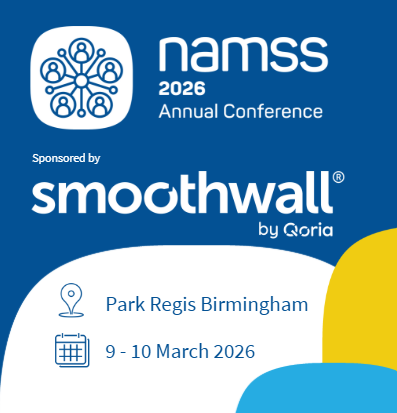
Next year’s annual conference takes place on Monday 9 and Tuesday 10 March and we are back at the Park Regis in Birmingham.  Tickets will be available towards the end of the Autumn Term.

TAC Access
Join us/Log in to book

Student Services Awards 2025

Date:
Host:

Cost:

Available to:

NAMSS Student Services Awards 2025

This year we received a fantastic number of nominations and our Executive Team faced the real challenge of choosing just a few runners-up and winners.  As always, those chosen were invited to attend the Awards as part of our Annual Conference Gala Dinner at the Hilton Hotel in Liverpool on Monday 10 March.

Colleagues short-listed received a certificate and, the winners from each category were presented with a certificate, one of our brand new NAMSS Award Winner enamel badges, a trophy to display and £500 to spend on a team activity or departmental resource.

Thank you to everyone who took the time to nominate a colleague and, thank you to each person nominated for all the brilliant work you do every day.

Congratulations to these amazing members of Student Services Team:

Inspirational Project of the Year

Winner
Student Commission for Racial Justice, The Birmingham Metropolitan College

Runners up
Addressing Emotional Based Non-Attendance in Rochdale, Hopwood Hall College
Project SafeHaven, Sandwell College

Newcomer of the Year

Winner
Walsall College – Charlotte WoodRunner up
The Birmingham Metropolitan College – Francis Page

Student Services Team – Sponsored by Uwill

Winner
Wellbeing and Safeguarding, Heart of Worcestershire College

Runners up
Student Support, MidKent College
Youth Safety Team, Newham College of Further Education

Outstanding Contribution

Winner
The Sheffield College – Sarah Le-good, MBE

2025 Annual Awards
Join us/Log in to book

Connecting Students & Mental Health Therapists

Date:
Host:

Cost:

Available to:

Middlesbrough College have been working with TACaccess since March 2024. TACaccess is a service that connects students with mental health therapists, it addresses the long waiting times for external mental health support and the limited capacity of the college’s counselling services. TACaccess offers cognitive behavioural therapy (CBT), dialectical behavioural therapy (DBT), and other types of counselling through registered counsellors whose professional member body is affiliated with either the Health Care Professional Council or the Professional Standards Authority.

or example, the British Association for Counselling and Psychotherapy or the National Counselling and Psychotherapy Society. Counselling can be accessed either online or face-to-face.


The service has been instrumental in supporting students with severe mental health issues. For instance, the college has referred high-risk students to TACaccess, the service has also been crucial in managing suicidal ideation among students with an increase of individuals currently receiving support compared to the previous academic year.


Middlesbrough College were approached by The Teesside Charity who are a local organisation dedicated to improving the lives of people in Teesside, they asked us what is the biggest barrier to achievement of students – and we replied MENTAL HEALTH!!


Our Performing  Arts students worked with the charity to produce an impactful video about student mental health for The Teesside Charity annual ball and £13,500 was donated to the college to support student mental health.


The charity’s support has enabled the college to provide more comprehensive mental health services to its students. The funds have been used to cover the costs of TACaccess sessions, ensuring that more students can receive the help they need without financial barriers or long wait times. The charity’s involvement has also raised awareness about the importance of mental health support and encouraged other organisations to contribute to similar initiatives.


The collaboration between TACaccess and The Teesside Charity has had a profound impact on student mental health at Middlesbrough College. Students who have accessed TACaccess services have reported significant improvements in their mental well-being. For example, one student who struggled with attendance due to mental health issues saw their attendance increase from under 85% to 96% after receiving support from TACaccess. The service has helped students manage their mental health more effectively, leading to better academic performance and overall well-being.


This article has been submitted by the guest author. The products/services included within the article may be of interest to our members, however, they are not endorsed by NAMSS and we do not have any affiliation with the organisation.

TAC Access
Join us/Log in to book

Behaviour Insights Report

Date:
Host:

Cost:

Available to:

In the ever-evolving landscape of further education, the role of student services is pivotal in shaping the experiences and outcomes of learners. NAMSS has long been committed to understanding and enhancing the relational dynamics that underpin student behaviour and engagement.

The Behaviour Insights Report is a testament to this commitment. It provides a comprehensive analysis of the current state of learner engagement, participation, and behaviour, particularly in the context of the significant societal shifts we’ve witnessed in recent years.

Our survey of 63-member colleges across the UK has revealed critical insights into the factors influencing student disaffection, with social media and the cost-of-living crisis emerging as predominant concerns. The report also highlights the ongoing impact of the Covid-19 pandemic and family dynamics on student behaviour.

In response to these findings, NAMSS has partnered with behaviour expert Paul Dix and his team at When The Adults Change to explore how relational practice can be harnessed to foster trust, empathy, and high standards within college communities. This collaboration has resulted in a set of actionable insights and recommendations designed to support colleges in embedding relational practices into their culture and policies.

We believe that by focusing on relational practice, we can create environments where students feel safe, respected, and motivated to engage positively with their education. This report is not just a reflection on the challenges we face but also a call to action for all of us in the further education sector to be the change we want to see. Together, we can continue to build college communities that are characterised by mutual respect, belonging, and human kindness.

You can download the full report here

Behaviour Insight Report
Join us/Log in to book

NAMSS Online

Date:
Host:

Cost:

Available to:

Our programme of online events continues to grow with 31 sessions being run during 2023/24.  NAMSS Online includes our Professional Networks which ‘meet’ termly and are a great opportunity for members to talk about emerging themes, discuss challenges and share practice.  Networks cover:  Safeguarding, Student Engagement, E&D, Residential Provision, Personal Development and Student Finance.

We also host lots of sessions under the umbrella ‘Share Practice’ and these informal 1-hour events do exactly what they say on the tin – provide a great place for members to talk about a particular subject and share what works and what doesn’t.  These sessions are created on-demand and so far this year we’ve covered Designated Teacher responsibilities, Criminal Convictions & Investigations, Careers & the CDI and Tutorial Programmes.

NAMSS Online is free to all our members and recordings can be accessed 24/7.

Visit our events page to see our upcoming NAMSS Online events.  Please note:  members will need to log in their NAMSS account to book places.

namssonline
Join us/Log in to book

NAMSS Annual Conference

Date:
Host:

Cost:

Available to:

Monday 10 and Tuesday 11 March 2025, Hilton Liverpool City Centre

We are really looking forward to another 2 days packed with speakers, workshops and networking time and we’re back in one of a favourite venues!

Our 4 keynotes – Paul Dix, Solat Choudary, Diana Osagie and Kheron Gilpin – will provide thought provoking and motivational sessions whilst our 20 workshops will give delegates the opportunity to listen to industry experts and ask questions on such subjects as Using AI, Inclusion, Knife Crime, Leadership, Enrichment, Careers and much much more.

As always, our Market Place will be packed with organisations that provide services and products that support the work of student services teams.

On Monday evening we’ll host our Gala Dinner and Student Services Awards.  This is such a lovely event which celebrates the work and dedication of Student Service staff across the UK.  We will also be running our annual charity raffle and there will, of course, be a photobooth and live band!

The full programme and ticket booking link can be found here.

AC25 on white
Join us/Log in to book